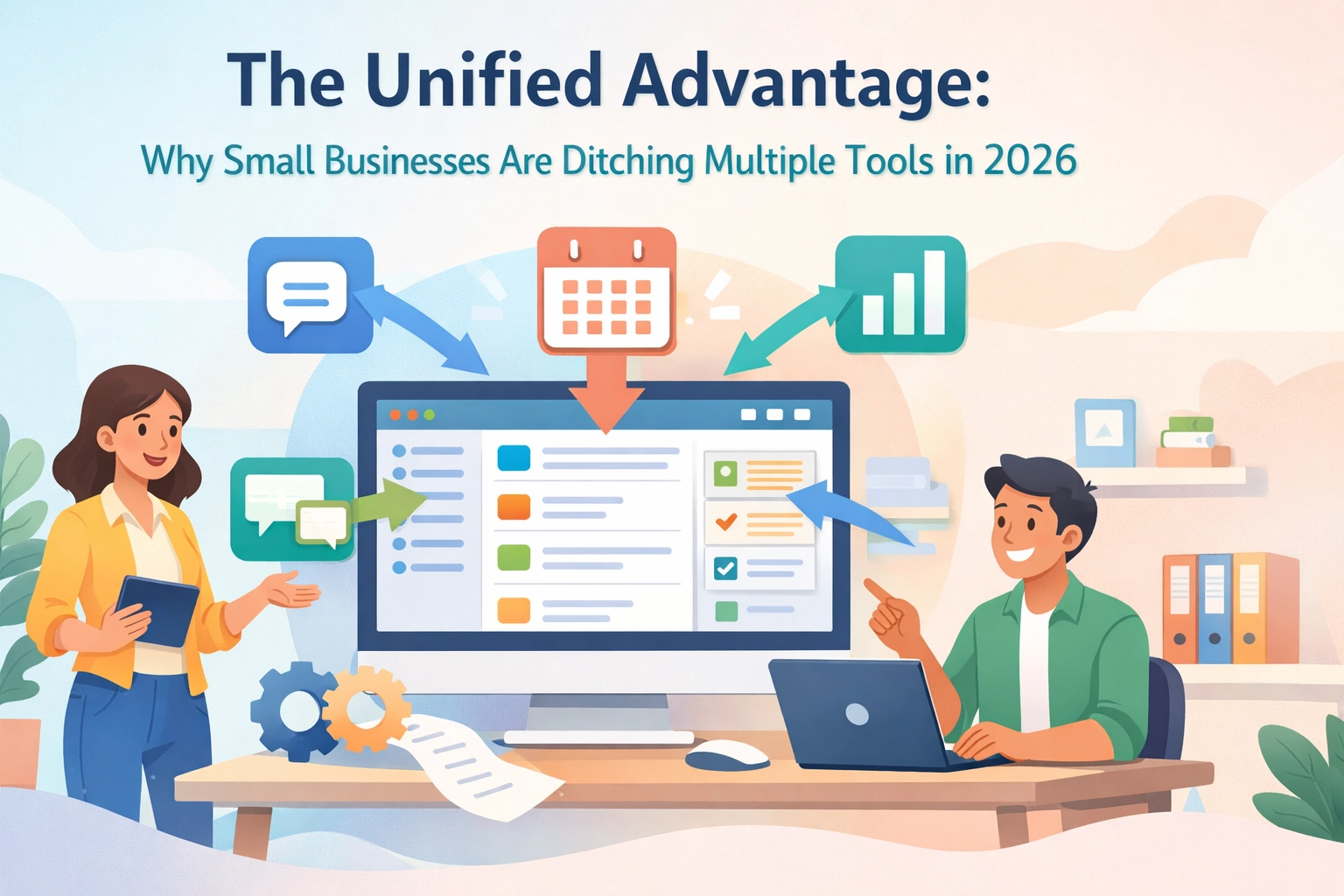
Let's be honest. Your software stack is probably a mess.
You've got Slack for communication. Asana for projects. HubSpot for clients. BambooHR for people management. QuickBooks for invoicing. And about seven other tabs open just to get through your morning.
Sound familiar?
You're not alone. For years, the advice was simple: find the best tool for every job. Stack them up. Integrate where you can. Deal with the chaos.
But 2026 is writing a different story.
Small businesses are consolidating. They're trading their franken-stack of disconnected apps for unified platforms that actually talk to each other. And they're not looking back.
Here's why this shift is happening: and why it matters for your business.
The Software Efficiency Boom is Real
Something significant changed in 2026.
Software grew by 10%. Not because more features got added. But because existing platforms got smarter.
AI stopped being a fancy add-on. It became the foundation.
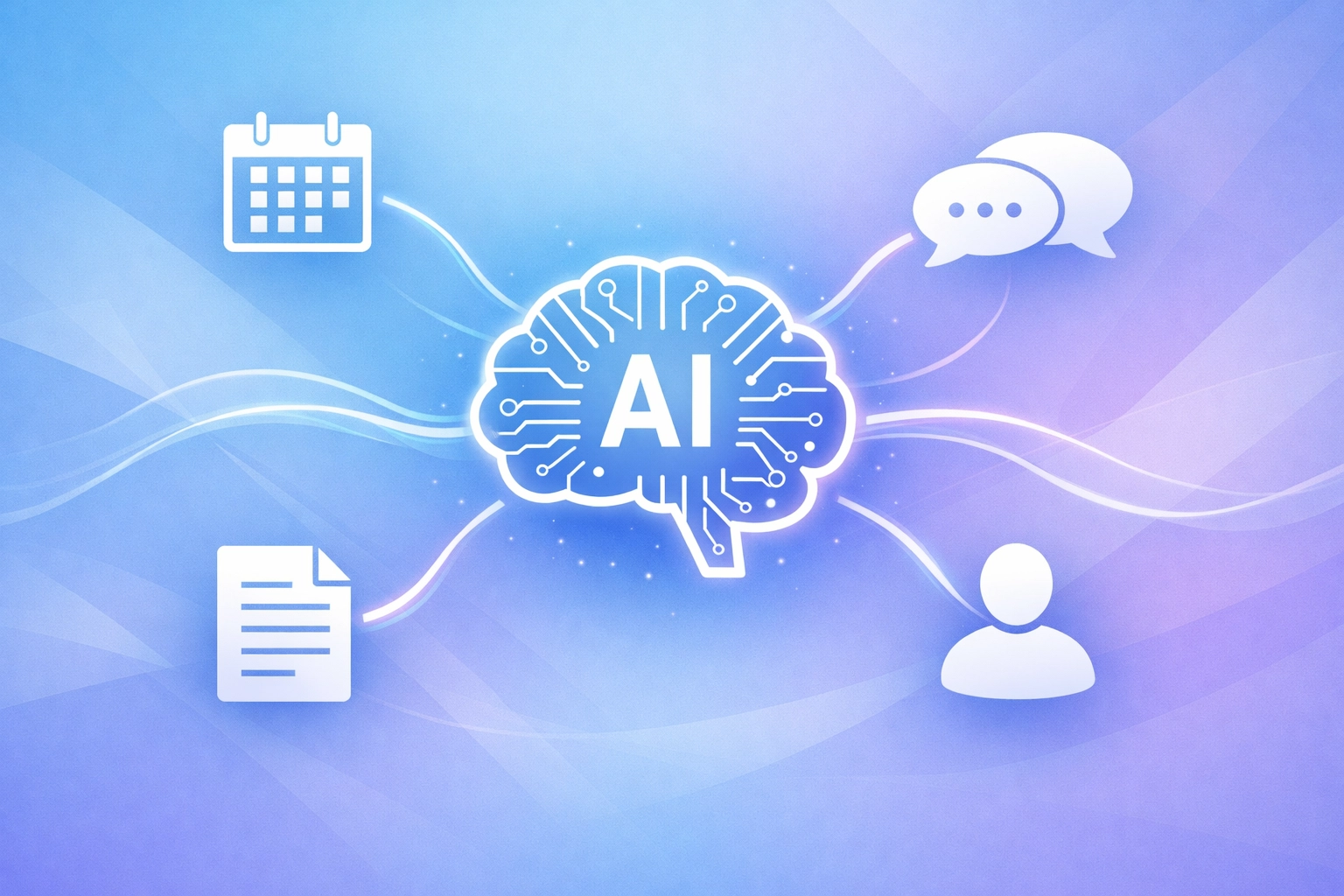
What does this mean for you?
Tasks that used to require three different tools now happen in one place. Customer tracking, team scheduling, and project updates all flow through the same system.
You don't need specialized software for every little thing anymore. Comprehensive capabilities are built right into core platforms.
The result? Less clicking. Less switching. Less mental overhead.
Your Tool Stack is Costing More Than You Think
Let's talk numbers.
The average small business uses 8-12 different software subscriptions. Each one costs between $15 and $200 per month.
But the real cost isn't just the subscription fees.
It's the hidden expenses:
- Training new employees on eight different systems
- Time lost switching between apps
- Data living in silos across platforms
- Integration headaches when systems don't play nice
- Human error from manual data entry between tools
Every tool adds friction. Every login adds time. Every separate system adds complexity.
Unified platforms cut through all of that. One login. One learning curve. One source of truth.

Why Multiple Tools Kill Your Focus
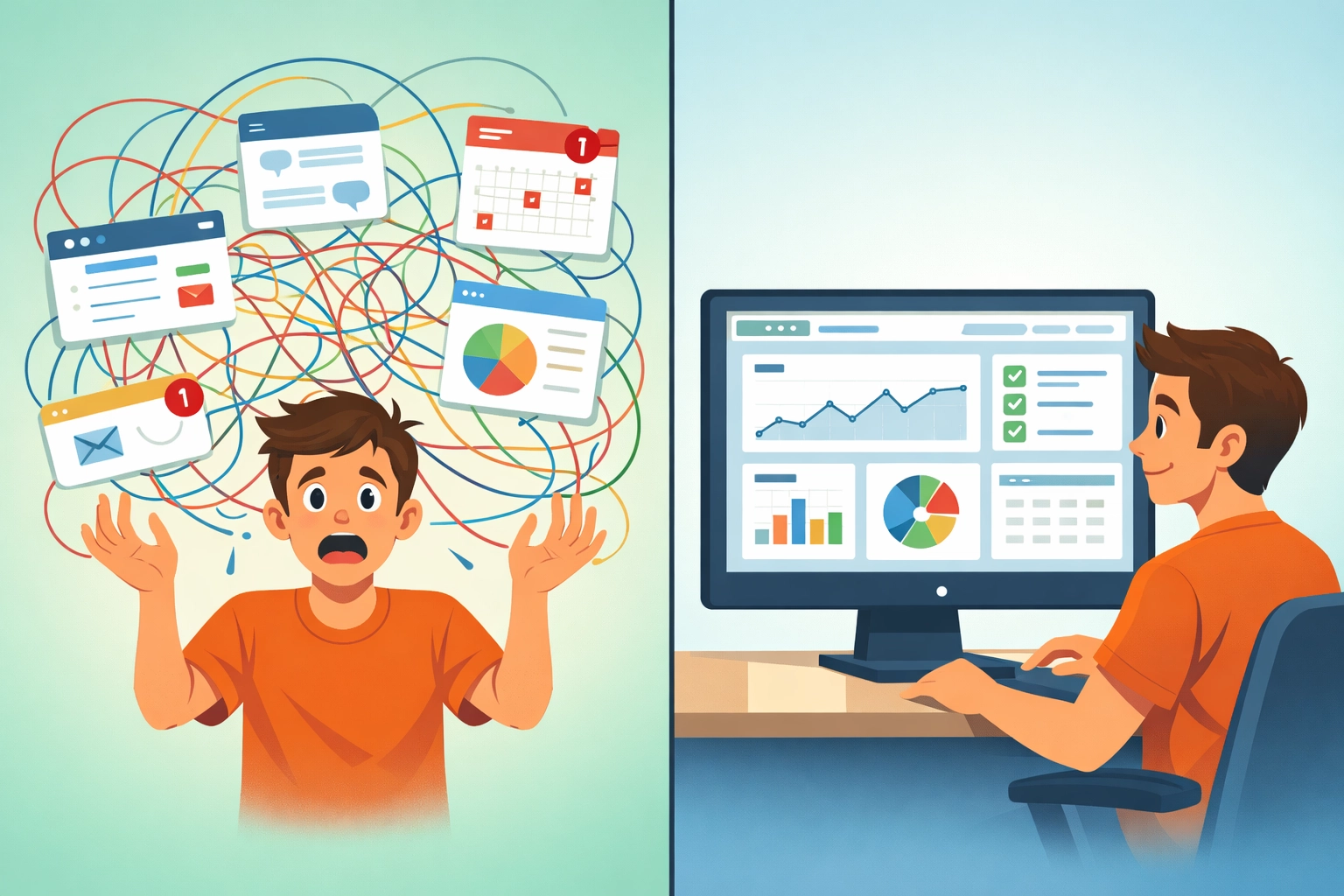
Here's what a typical morning looks like with a fragmented tool stack:
You open your email. See a client question. Switch to your CRM to check their history. Jump to your project management tool to see what's in progress. Hop into Slack to ask your team. Check your HR platform to see who's available.
Five different apps. One simple question.
Tab fatigue is real. And it's destroying your productivity.
Research shows it takes an average of 23 minutes to fully refocus after switching tasks. When you're bouncing between tools constantly, you never reach deep work.
Your brain isn't designed to context-switch every few minutes. It's designed to focus.
Unified platforms keep everything in one place. Your client data, project status, and team availability live side by side. No switching. No refocusing. No mental reset.
The Three-Way Unified Advantage: HR, CRM, and Projects
Here's where things get interesting.
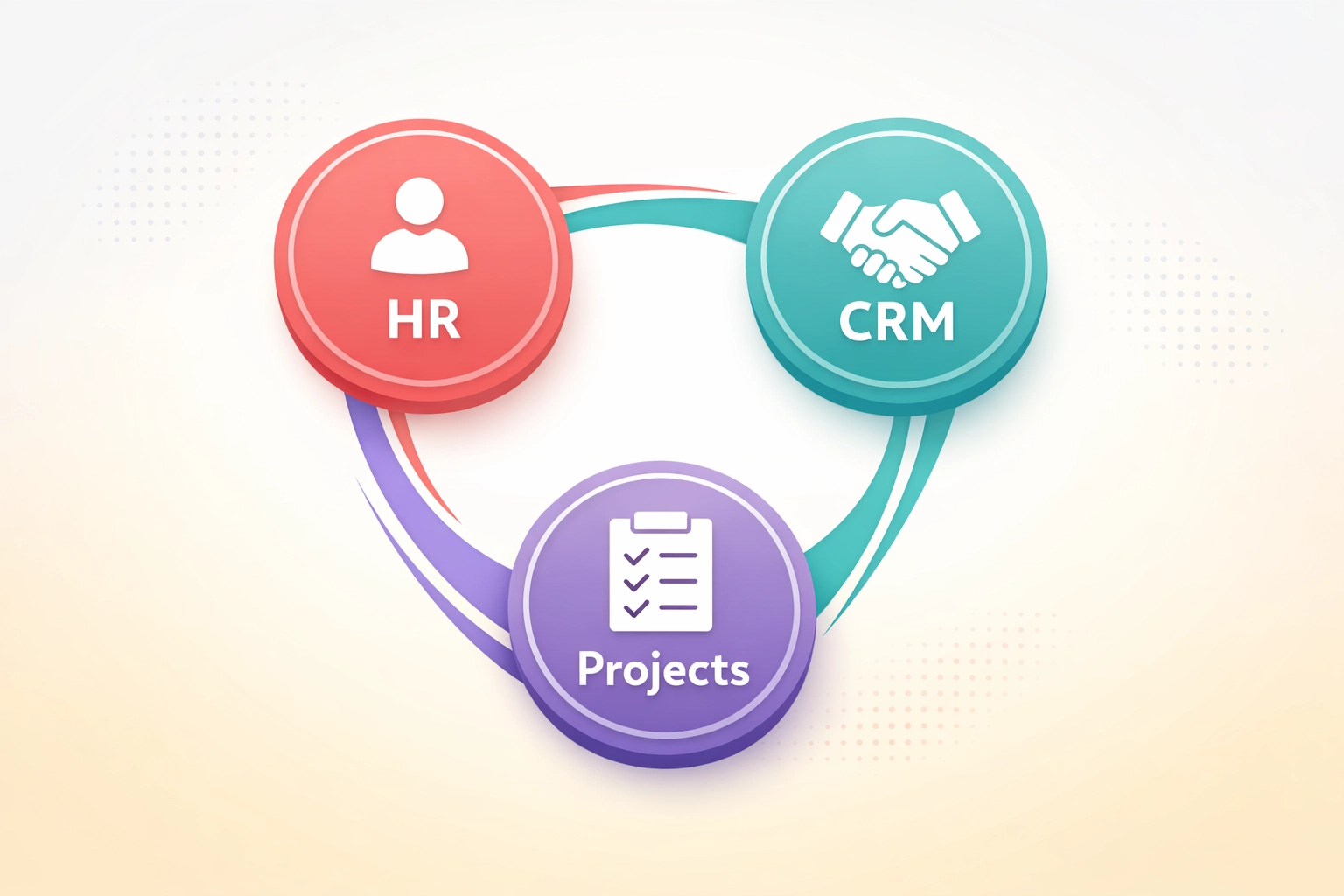
The most powerful consolidation happening right now? Bringing together three critical functions:
Human Resources: Who's on your team, their schedules, and performance
Customer Relationship Management: Your clients, their projects, and communication history
Project Management: What needs doing, who's doing it, and when it's due
These three areas used to live in completely separate worlds. Separate tools. Separate logins. Separate realities.
But they're deeply interconnected:
When you win a new client (CRM), you need to assign team members (HR) and kick off deliverables (Projects).
When an employee goes on vacation (HR), you need to reassign their tasks (Projects) and notify affected clients (CRM).
When a project hits a snag (Projects), you need to loop in the right team member (HR) and manage client expectations (CRM).
Unified platforms connect these dots automatically. No manual updates. No information gaps. No wondering if everyone's on the same page.
AI Makes Consolidation Actually Work
Previous attempts at "all-in-one" software failed because they tried to be everything and ended up being mediocre at most things.
2026 is different.
AI fills the gaps. It automates the tedious stuff. It surfaces the insights you need when you need them.
Features that were once premium add-ons are now standard:
- Smart task assignment based on workload and skills
- Automated follow-up reminders for client communication
- Predictive analytics for project timelines
- Intelligent resource allocation across teams
The technology finally caught up to the promise.
You don't need separate tools for each specialized function. One intelligent platform can handle it all.
Compliance Costs Are Dropping
Here's a benefit you might not expect: better governance.
Automated compliance systems built into unified platforms are reducing audit costs. Data security protocols are standardized. Privacy controls are centralized.
When everything lives in one secure system, you're not trying to track compliance across eight different vendors with eight different security policies.
One platform. One security audit. One compliance framework.
This keeps subscription costs stable even as features expand. You're getting more for less.
Working Smarter, Not Harder
The 2026 business philosophy is simple: integration over proliferation.
You don't need every tool on the market. You need the right tools that work together seamlessly.
Small business owners are already juggling multiple responsibilities. You're the CEO, the salesperson, the HR manager, and the customer success team rolled into one.
The last thing you need is more complexity.
Unified platforms create operational efficiency. They save time. They reduce errors. They improve decision-making. And they give you faster access to the insights that matter.
You can finally see the full picture: how your team is performing, how your clients are progressing, and where your business is headed.
The Real Question: Are You Ready to Simplify?
Every small business hits a crossroads.
You can keep adding tools. Keep juggling logins. Keep copying data between systems.
Or you can consolidate.
The businesses thriving in 2026 chose simplification. They ditched the tool stack chaos for unified platforms that actually work together.

They're spending less time managing software and more time growing their business.
They're reducing costs while expanding capabilities.
They're working smarter through integration.
The unified advantage isn't just about having fewer tools. It's about having the right foundation to scale without breaking.
Your spreadsheet system won't survive the next growth phase. Your disconnected apps won't cut it when you double your client base.
But a unified platform? That grows with you.
The question isn't whether consolidation is happening. It's already here.
The question is: are you ready to join the shift?
Because in 2026, the most successful small businesses aren't the ones with the most tools. They're the ones with the smartest systems.
And that starts with choosing simplicity over complexity. Unity over fragmentation. Focus over chaos.
The unified advantage is waiting. All you have to do is take it.


